Introducing the Conveniences and Difficulties of Metal Casting in Industrial Production
Steel casting plays an essential role in industrial manufacturing, using distinct advantages such as layout versatility and cost-efficiency. However, it additionally encounters substantial challenges, particularly worrying environmental impacts and resource administration. The equilibrium in between making best use of benefits and reducing drawbacks is crucial for lasting techniques. Discovering these characteristics exposes much deeper understandings right into the future of metal casting and its advancing duty in production. What strategies will form this industry moving onward?
Summary of Metal Casting Processes
Metal spreading works as a basic process in industrial production, transforming liquified metal right into numerous forms and elements. This strategy incorporates numerous methods, consisting of sand spreading, financial investment casting, and die spreading, each tailored for certain applications. Sand casting entails producing a mold from sand, which can be recycled, making it cost-effective for bigger production runs. Financial investment spreading, understood for its accuracy, uses wax patterns that are dissolved to develop elaborate mold and mildews, perfect for complicated geometries. Pass away casting, on the other hand, employs high-pressure shot of molten metal right into steel mold and mildews, guaranteeing harmony and fast manufacturing prices. Each method possesses special qualities, affecting the selection based upon aspects such as product kind, intricacy, and production quantity. Understanding these procedures allows engineers and makers to maximize designs and enhance effectiveness in the production of metal components throughout different sectors.
Advantages of Steel Casting in Production
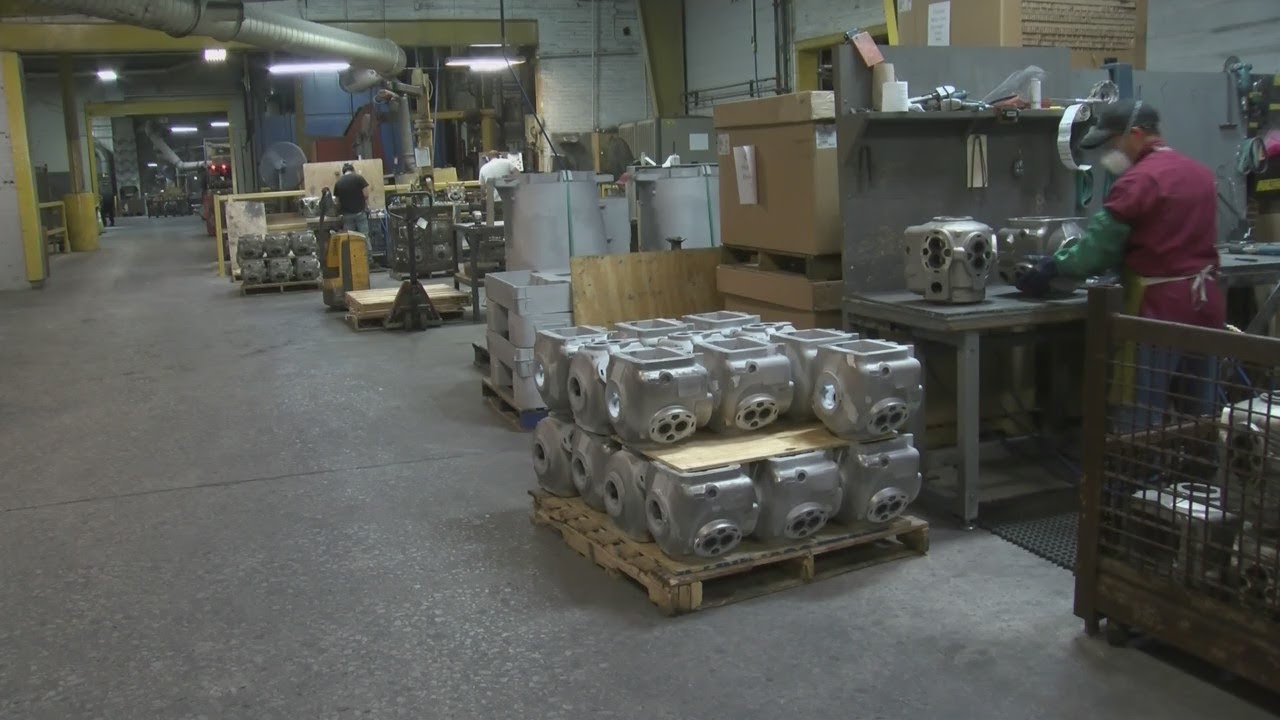
While many producing processes exist, metal spreading stands apart because of its countless benefits. One significant advantage is its capacity to generate complicated forms and detailed layouts with high precision, which is usually difficult in various other approaches. Steel casting allows for the use of a wide array of products, including non-ferrous and ferrous steels, enabling makers to choose the most effective material for specific applications. Additionally, this process can suit huge manufacturing runs, making it cost-efficient for mass production. The toughness of actors steel items adds to their longevity and performance in numerous commercial applications. Steel casting decreases product waste, as excess product can frequently be reused in succeeding batches. Ultimately, the procedure is adaptable to numerous industrial fields, from vehicle to aerospace, ensuring a broad applicability of actors parts. These advantages setting steel spreading as a vital strategy in modern production.
Layout Versatility and Customization
Metal spreading uses substantial layout versatility, permitting the creation of complex geometries that fulfill certain design demands (Aluminum Foundry). This versatility encompasses material option, allowing makers to customize structures to enhance performance attributes. Therefore, steel spreading comes to be an important process in producing tailored elements for varied applications
Complicated Geometries Possible
Layout flexibility and modification in steel casting enable the development of complicated geometries that would be impossible or tough to attain through standard manufacturing methods. This capability is particularly beneficial in industries calling for detailed parts, such as aerospace and auto. The spreading procedure can accommodate diverse forms, including inner attributes and damages, which are commonly tough to produce with machining. Furthermore, the capacity to create large components in a single piece minimizes the requirement for setting up, improving architectural stability and efficiency. The complex designs enabled by metal casting not only accomplish certain practical needs but likewise allow visual considerations, providing suppliers with the opportunity to innovate and differentiate their items in a competitive market.
Tailored Product Selection
A diverse series of materials can be selected for steel casting, allowing makers to customize their items to certain performance demands and ecological problems. This flexibility enhances layout capacities, enabling the production of components with tailored homes. For circumstances, alloys can be engineered to boost stamina, deterioration resistance, or thermal stability, relying on the desired application. By choosing products that meet specific requirements, suppliers can optimize capability and long life of their products. In addition, this customized technique promotes the adaptation of designs for different sectors, from auto to aerospace, making sure that each element carries out effectively under its special functional stressors. Eventually, customized material selection in metal spreading not only supports development yet likewise drives competitive benefit in industrial production.
Ecological Obstacles in Steel Casting
The metal spreading industry faces considerable environmental obstacles, specifically concerning emission control actions, waste administration strategies, and resource consumption problems. These elements not just influence the environmental impact of production but additionally affect regulatory conformity and public understanding. Dealing with these challenges is crucial for cultivating lasting practices within the industry.
Discharge Control Procedures
Although steel spreading plays a crucial duty in industrial manufacturing, it additionally presents significant environmental obstacles as a result of dangerous discharges created throughout the procedure. To mitigate these concerns, different discharge control procedures have actually been carried out. Advanced purification systems, such as baghouses and electrostatic precipitators, successfully capture particulate matter before it is released into the ambience. In addition, the adoption of cleaner modern technologies, consisting of induction melting and low-emission fuels, decreases the general carbon impact associated with casting operations. Normal tracking and compliance with ecological guidelines better assure that emissions remain within appropriate limitations. By purchasing these actions, sectors can reduce their environmental impact while preserving functional effectiveness and sticking to sustainability goals.
Waste Administration Techniques
As metal spreading operations produce significant amounts of waste, reliable waste administration approaches are vital to resolve environmental difficulties. These methods include several approaches, consisting of waste reduction, reusing, and accountable disposal. Carrying out cleaner manufacturing approaches can greatly lower waste generation at the resource. Furthermore, recycling steel scrap and by-products can recuperate view it now beneficial materials, therefore minimizing the ecological footprint. Therapy and disposal of contaminated materials, such as factory sands and chemical residues, require stringent procedures to avoid dirt and water contamination. Additionally, worker training on waste administration practices promotes a culture of sustainability within the office. By taking on thorough waste management techniques, metal casting markets can minimize their ecological impact while enhancing operational performance.
Resource Usage Issues
Making Certain Manufacturing Consistency and Top Quality
Assuring manufacturing consistency and top quality in steel casting requires careful focus to detail throughout the entire production procedure. Each stage, from mold and mildew design to product choice, plays a vital duty in attaining harmony in the last product. Exact dimensions and exact casting strategies aid reduce variations that might impact performance and reliability.
Quality control procedures, including regular examinations and testing, are necessary to determine issues early in the production cycle. Carrying out standard procedures and utilizing innovative technologies can boost Metal Casting consistency and lower human mistake.
Additionally, worker training and proficiency are vital, as knowledgeable operators are better outfitted to manage potential difficulties. Continual tracking of production specifications, such as temperature and air conditioning rates, warranties adherence to specifications.
Future Trends in Metal Casting Modern Technology
Arising innovations in steel spreading technology are poised to change the industry, improving efficiency and accuracy. Technologies such as 3D printing for mold and mildew creation permit quick prototyping and facility geometries that typical approaches can not attain. The combination of fabricated knowledge and maker understanding allows anticipating upkeep and improved procedure optimization, minimizing waste and power usage.
Sustainability fads are likewise affecting the industry, with an increasing emphasis on recycling materials and making use of eco-friendly practices. Advanced alloys are being created to improve material properties, accommodating details market needs, such as lightweight elements for automobile applications. In addition, automation and robotics are streamlining procedures, minimizing human error and increasing manufacturing rates.
Jointly, these trends indicate a shift in the direction of a more technically advanced, efficient, and environmentally conscious steel spreading market, placing it for significant development in the coming years.
Frequently Asked Concerns
What Precaution Are Essential During Steel Casting Procedures?
Essential precaution during steel casting processes include proper personal safety equipment, ample air flow, stringent adherence to safety and security methods, normal devices upkeep, and thorough training for workers to minimize risks and guarantee a safe workplace.
How Does Steel Spreading Influence Workforce Skills and Training?
Metal spreading significantly affects labor force skills and training by demanding specialized knowledge in metallurgy, safety and security protocols, and tools procedure. Continuous advancements in technology require recurring education, fostering a knowledgeable labor force proficient at adapting to industry adjustments.
What Are the Common Problems in Metal Spreading Products?
Usual defects in metal casting products include porosity, shrinkage, misruns, cool shuts, and additions. These problems occur from variables like incorrect temperature level control, poor mold style, and contamination, influencing product top quality and efficiency.
Exactly How Does Steel Casting Compare to Other Manufacturing Methods?
Steel spreading supplies unique benefits such as intricate shapes and product flexibility, typically exceeding approaches like machining in performance. Nonetheless, it might lack precision compared to some sophisticated strategies, providing specific obstacles in top quality control and production rate.
What Materials Are Usually Used in Steel Spreading?
Common materials made use of in steel spreading consist of light he said weight aluminum, bronze, iron, and steel. Each product offers unique buildings appropriate for numerous applications, influencing the spreading process and the last item's toughness, weight, and sturdiness.
Steel spreading plays a necessary function in commercial manufacturing, offering distinct benefits such as design flexibility and cost-efficiency. Steel spreading offers as an essential procedure in industrial manufacturing, transforming molten steel into various forms and parts. Steel spreading permits for the use of a large range of materials, consisting of non-ferrous and ferrous metals, making it possible for suppliers to choose the ideal product for particular applications. Metal casting plays a crucial function in commercial manufacturing, it additionally postures considerable ecological obstacles due to hazardous discharges created during the procedure. Assuring manufacturing uniformity and quality in metal casting needs precise focus to information throughout the entire manufacturing procedure.